


Can I take medicine on a plane?
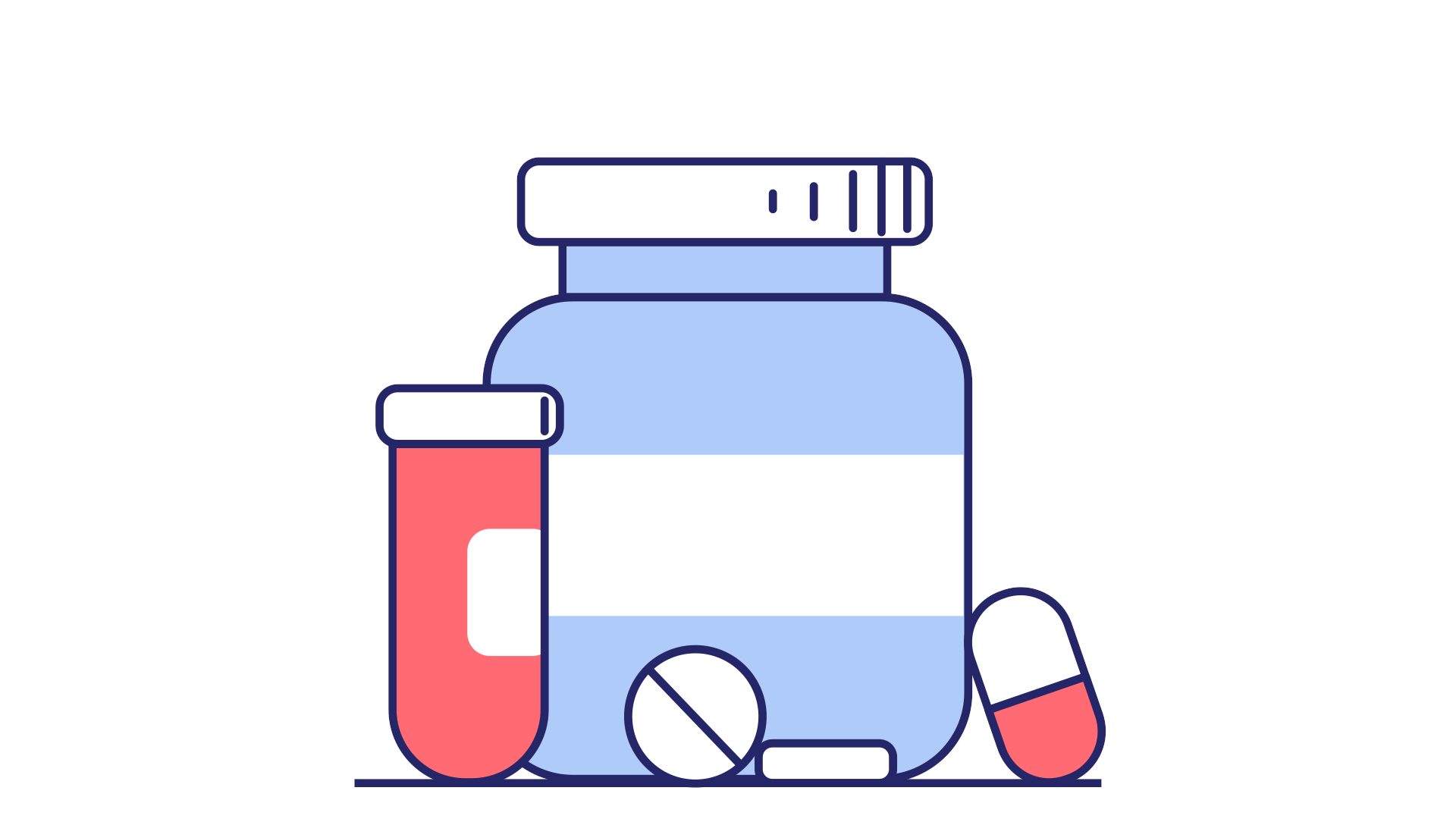
Yes. Both over-the-counter and prescription medications are permitted. Please note that you may be asked to confirm the authenticity of your medications, so it is best to carry them in their original packaging. Some countries prohibit the import of painkillers or cold medications. You may also be required to show a valid prescription.
Before traveling, check the official customs requirements and health regulations of your destination country. This information can be found on the websites of the Ministry of Foreign Affairs, embassies/consulates of the destination country, or on the official websites of the customs authorities of the country concerned.
Can I have medication in my carry-on baggage?
Yes, we recommend traveling with necessary medication in your carry-on baggage. All medication (both over-the-counter and prescription) should be packed in a separate bag or cosmetic bag, keeping their original packaging and leaflets.
What medications should I keep in my carry-on baggage?
You can take the following items in your carry-on baggage:
- prescription medications,
- over-the-counter medications (including syrups, gels, ointments, eye drops, nose/throat sprays),
- contact lens solutions, saline solutions,
- disinfectants with an alcohol concentration of up to 70%.
How many packages of medication can be transported by plane?
There is no strict limit on the number of packages of medication that can be transported. The quantity restriction applies only to liquid medications and is related to the length of the journey.
- You may take liquid, aerosol, or gel medications necessary for the duration of your trip.
- For round-trip travel, we recommend that the amount include a supply of medication for the entire trip.
We suggest that the amount of medication carried is medically justified and corresponds to your needs during the trip. Having a prescription or written recommendation from your doctor is always helpful in case of security control questions.
Do liquid medicines count towards the liquid allowance in baggage?
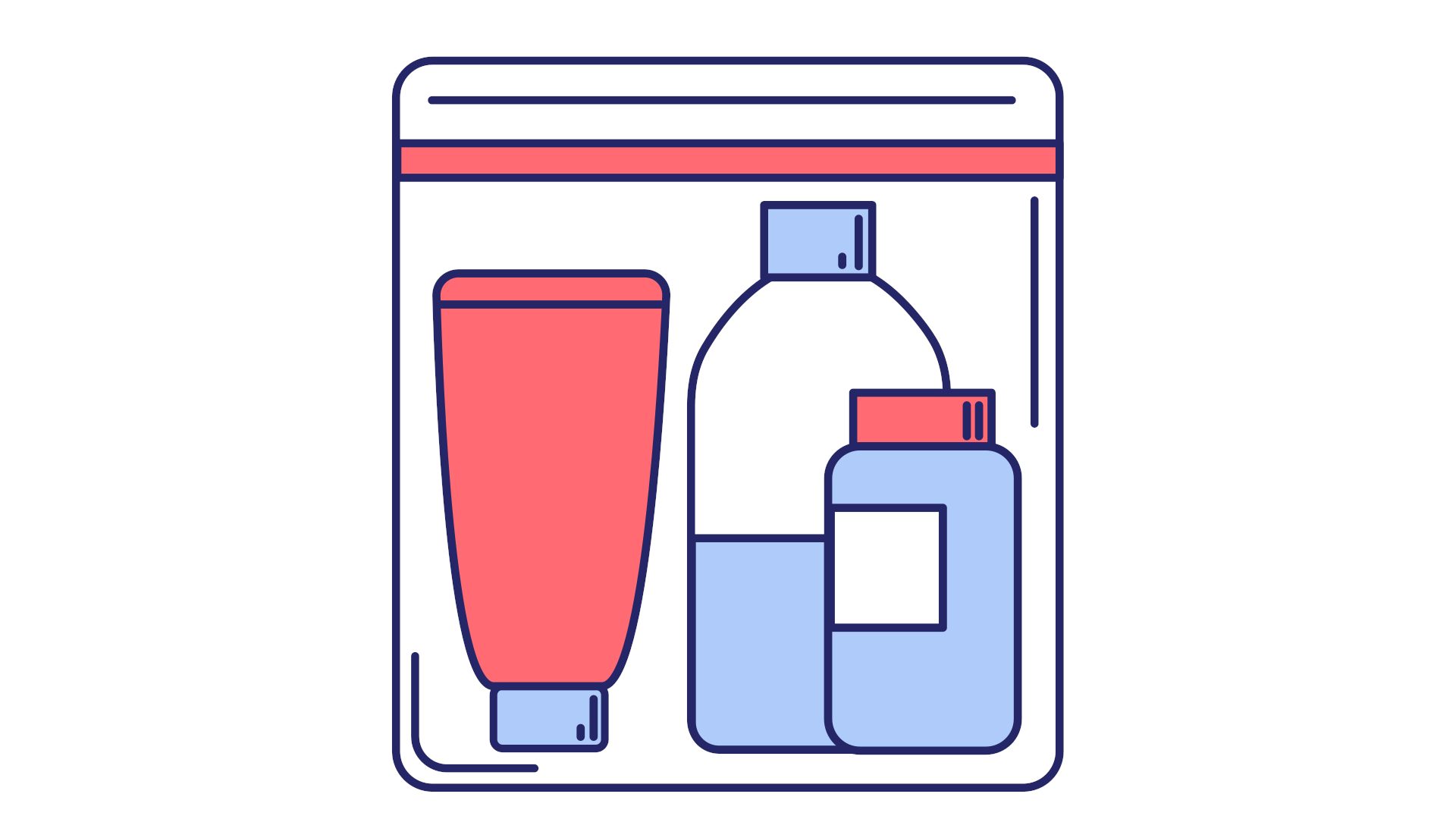
No, liquid medications are not included in the standard carry-on liquid allowance (100 ml/container in a 1-liter zip-top bag). For liquid, aerosol, or gel medications to be excluded from this allowance, you must:
- Declare them verbally to security staff before the inspection process begins.
- Medicines must be necessary for the duration of the journey, and the quantity should be adequate for your needs.
Should medicines be packaged separately?
There is no formal requirement for medicines to be packed separately from other items in your carry-on baggage. However, for security reasons:
- Place your medications in an easily accessible place in your carry-on baggage, which will facilitate their declaration and inspection.
- Pack your medications separately. Although liquid medications are not included in the standard 100 ml/container limit, keeping them together with other liquids in a 1-liter bag takes up space that could be used for other liquids covered by the limit.
- If the total amount of liquids (including medications) exceeds the capacity of the 1-liter bag, security may ask you to remove your medications and transfer the remaining liquids covered by the limit to this bag.
To accelerate the inspection process, pack your medications so that they can be easily separated from other items, especially liquids.
Check whether your health condition requires you to complete a medical form (MEDIF). When submitting your application, you can also indicate your need for special assistance.
Can I take medication in my checked baggage?
Yes, but due to the potential risk of baggage delays or loss, we recommend that you carry essential medication in your carry-on baggage.
Please note that temperatures in the baggage hold are very low, which may not be suitable for some medications.
What medications can be carried in checked baggage?
Over-the-counter and prescription medications are permitted in checked baggage, but they must be transported in their original packaging, together with the package insert.
It is a good idea to carry a medical certificate confirming the need to take medication, especially in the case of pharmaceuticals whose import is subject to additional restrictions and regulations in the country you are traveling to.